AUGUST – SEPTEMBER
2025

SSL LAW
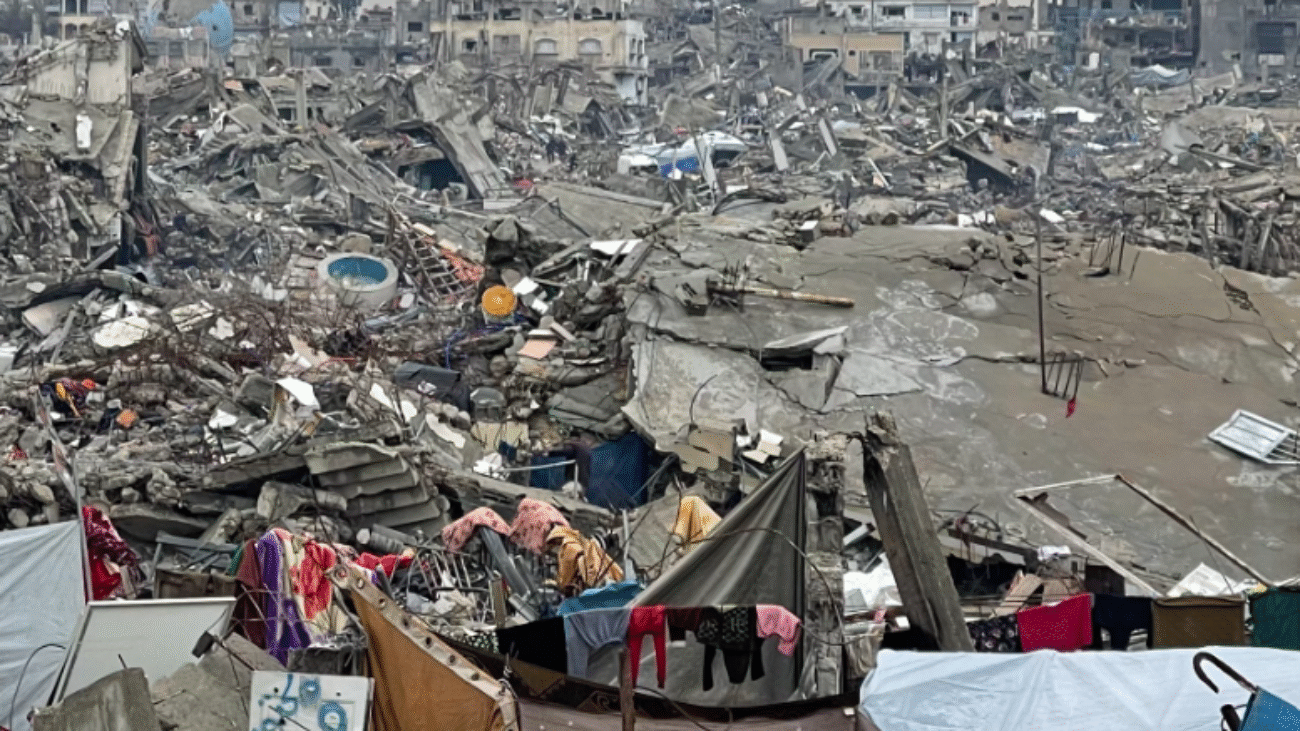
THE ongoing war on Gaza, recently recognised as a genocide by the International Court of Justice, has garnered global attention for its devastating humanitarian impact.
However, beneath the immediate human tragedy lies a less visible, but equally alarming crisis: the systematic destruction of Gaza’s physical environment and its ecosystem. This environmental catastrophe, which some experts are terming ‘ecocide’, threatens to have long-lasting consequences that extend far beyond the current conflict, affecting the region’s ecology, public health, and future habitability. Moreover, this environmental destruction fundamentally undermines the human dignity of Gaza’s residents, depriving them of their basic rights to a clean and healthy environment.
The conflict’s impact on Gaza’s ecosystem extends beyond the immediate destruction of flora and fauna. The region’s biodiversity is under severe threat as habitats are destroyed and food chains disrupted. The loss of vegetation, particularly trees, has far-reaching consequences for local wildlife. Birds and small mammals that relied on these trees for shelter and sustenance may have been forced to migrate or face potential extinction. Moreover, the destruction of coastal areas and marine habitats due to military operations and pollution run-off threatens Gaza’s marine ecosystem, thus impacting biodiversity and jeopardising livelihoods.
The alteration of the landscape through widespread destruction and the potential for future urban development plans could lead to irreversible changes in the local ecosystem. The contamination of soil and water resources may persist for years, hampering future agricultural productivity and access to safe drinking water. The loss of arable land due to pollution, erosion, and potential salinisation could have severe implications for food security in a region already grappling with resource scarcity.
Deforestation presents another critical environmental challenge. The destruction of trees, including Gaza’s iconic olive groves, is occurring through multiple mechanisms. Direct damage from bombings and fires has obliterated vast swathes of vegetation. This deforestation not only disrupts local ecosystems but also exacerbates issues of soil erosion and desertification, potentially rendering large areas unsuitable for future habitation or agriculture.
The environmental crisis in Gaza is closely linked to a growing public health emergency.
The environmental degradation in Gaza is multifaceted, encompassing issues ranging from water contamination to deforestation. One of the most pressing concerns is the contamination of water sources. The intensive bombardment has damaged water infrastructure, leading to the mixing of sewage and potable water supplies. This contamination renders much of the available water unfit for human consumption, cooking, and basic hygiene practices. The situation is made worse by the collapse of waste management systems, resulting in the accumulation of various types of waste, including hazardous medical waste.
The scarcity of clean water has far-reaching implications. According to media reports, the displaced populations lack access to basic sanitation facilities, leading to an increase in open defecation and further contributing to the spread of waterborne diseases. The contamination of water sources also poses a significant threat to agriculture. Polluted water used for irrigation can introduce harmful substances into the food chain, potentially causing long-term health issues for the population.
The environmental crisis in Gaza is closely linked to a growing public health emergency. The lack of proper burial facilities for the high number of casualties has led to unconventional and often unsanitary disposal of human remains. Bodies left exposed in the rubble, or hastily buried in mass graves, pose significant health risks. The decomposition process releases bacteria and other pathogens which contaminate soil, groundwater, food, and water resources.
The breakdown of sanitation infrastructure has resulted in a proliferation of disease vectors. Accumulated waste attracts vermin and insects, spreading pathogens throughout the population. The overcrowded living conditions in temporary shelters, combined with limited access to clean water, sanitation facilities and hygiene products, have resulted in rapid spread of skin and other infectious diseases.
Pollutants released from destroyed infrastructure, including potentially toxic substances from damaged industrial facilities, can have lasting impacts on human health. Children, in particular, are vulnerable to the effects of environmental toxins, which can impair cognitive development and lead to chronic health issues.
The environmental crisis also has significant social and economic implications. The degradation of natural resources can exacerbate poverty and social inequality, as communities lose access to traditional livelihoods based on agriculture and fishing. The potential for displacement due to uninhabitable conditions could lead to further social upheaval and strain on resources in neighbouring areas.
The scale and nature of the environmental destruction in Gaza have led some experts to classify these actions as ‘ecocide’. This term, while not yet formally recognised in international law, refers to severe and widespread damage to the environment. The Rome Statute and the Geneva Conventions include provisions that address environmental damage during armed conflict, particularly when such damage is excessive in relation to the concrete and direct anticipated military advantage.
The situation in Gaza underscores the need for a comprehensive approach to environmental protection. It highlights the interconnectedness of environmental, climate, humanitarian, and human rights issues and the need for incorporating them into the charge-sheet against the aggressors.
The concept of ecocide raises important legal and ethical questions about accountability for environmental damage. It challenges the international community to consider the long-term ecological consequences of military actions and the responsibility to protect not just human life but also make the aggressor pay for restoration of ecological services and rehabilitation of human settlements.
The Nuremberg Trials were an important response to the persecution of Jews in Germany, as they addressed crimes committed during the Holocaust and other atrocities perpetrated by the Nazis. These trials were the first instances where high-ranking civil and military officials were held accountable for their actions on an international stage.
The persecution of the Jewish community in Germany has come full circle. The time probably has arrived for the proposed OIC meeting to seek UN General Assembly and Security Council resolutions to begin prosecution for this ecocide against the Israeli leadership.
Imaan Ali Sheikh is a law graduate from the University of London.
Ali Tauqeer Sheikh is a climate change and sustainable development expert.
Published in Dawn, October 17th, 2024
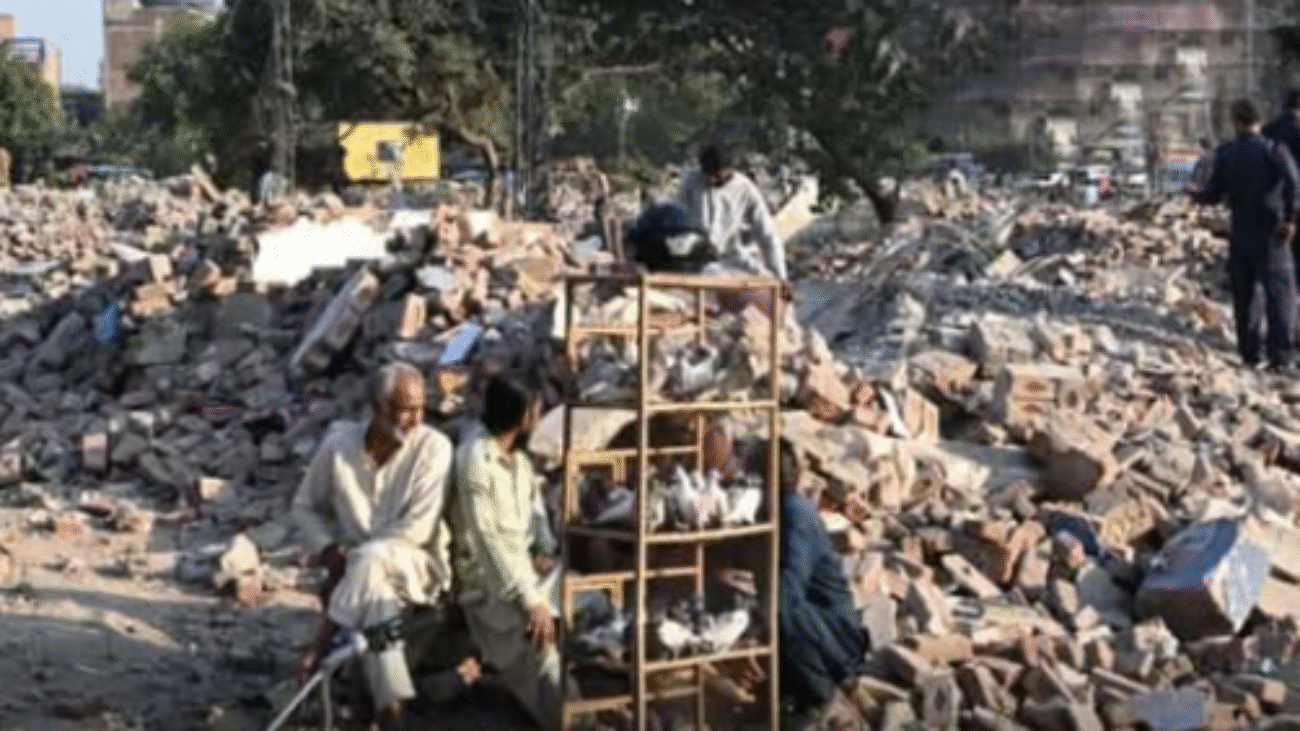
THE silence of a predawn Lahore was shattered by an act of institutional brutality: a late-night operation near Data Darbar by the Lahore Development Authority. This unannounced sweep saw structures demolished and an unquantified number of lives — animals and birds — allegedly snuffed out.
The LDA has denied any wrongdoing. Yet, this deliberate, brutal operation is the latest scar on Pakistan’s conscience, rooted in our reliance on an antique statute whose meagre, poorly enforced fines utterly fail to reflect this magnitude of cruelty. Witnessing this gap between legal mandate and moral obligation is a personal affront; our commitment to justice must extend beyond human boundaries to embrace every life.
Institutional cruelty in Pakistan manifests directly through negligent governance: municipal bodies routinely employ brutal methods like mass poisoning to cull stray dog populations, while government-run facilities, such as zoos in Karachi and Lahore, are notorious for gross negligence, poor infrastructure, and underfeeding, turning sanctuaries into sites of suffering.
This cruelty is further compounded by the official tolerance of sprawling, unregulated animal and bird markets across major cities, including Tollinton Market in Lahore, Empress Market in Karachi, Raja Bazar in Rawalpindi, and the main animal bazaar in Peshawar, where wild and exotic species endure severe confinement and abuse, perpetuating a system of commercialised misery.
The legal incapacity: Pakistan’s current legal framework for animal welfare is a study in anachronism, drawn from colonial-era legislation dating back to 1890. Despite superficial amendments, the law remains structurally incapable of addressing contemporary challenges: the modern pet trade, the necessity of clearer definitions of cruelty, the ethics of captivity, and the broader environmental impact. This legal incapacity manifests in two distinct but related wrongs: the arbitrary, destructive action of authorities, and the very establishment of markets that trade in captive life. The lack of prior notice in such operations highlights an institutional apathy and procedural negligence that the law implicitly permits. Our failure to modernise this foundational act signifies a national refusal to integrate ethical and ecological stewardship into our governance model.
Pakistan’s current legal framework for animal welfare is a study in anachronism.
Constitutional imperatives: The inadequacy of the 1890 Act stands in stark contrast to the progressive jurisprudence of Pakistan’s superior courts that has revolutionised animal law. Article 9A of the Constitution guarantees the ‘right to a clean, healthy, and sustainable environment’. The courts have repeatedly and unequivocally affirmed that this right is ecologically inclusive, extending protection to ecosystems and wildlife. Environmental degradation, including the cruel confinement of animals, is thus recognised as a direct violation of constitutional principles of sustainability and environmental justice.
This judicial evolution culminated in the Islamabad High Court’s landmark 2020 judgement on the fate of the animals at the Islamabad Zoo. In this ruling, Justice Athar Minallah firmly established that animals possess inherent legal rights, demanding they live in environments that meet their behavioural, social, and physiological needs. Critically, it was recognised that the practice of keeping animals in cages purely for human amusement to be a form of “torture”. This ruling created a direct constitutional mandate, bridging the gap between an antique colonial law and the nation’s highest legal standard, asserting that the state has a fundamental duty to protect all non-human life.
This principle has consistently echoed across provincial high courts, rejecting the human tendency to arrogate the right to enslave animals born free and affirming their essential role in ecological balance. Furthermore, the superior courts have decisively held that wildlife protection is a critical precondition for mitigating ecosystem damage. The Supreme Court has clarified that any damage to animal populations and biodiversity constitutes an adverse environmental effect, legally linking harm to animals with comprehensive constitutional degradation.
Ecological cost: The confinement and exploitation of animals have consequences that extend far beyond individual suffering. Ecosystems function through complex, regulated relationships. The removal or captivity of apex predators leads to unchecked herbivore growth, resulting in overgrazing, vegetation loss, soil erosion, and accelerated deforestation. This directly impacts carbon absorption, effectively contributing to the acceleration of climate change. Animal welfare, therefore, is not a philanthropic sideline. It is an environmental and climate necessity.
The current Animal Act fails to recognise or integrate entire classes of creatures vital to ecosystem health, notably insects and other invertebrates. Native pollinators, like bees, underpin Pakistan’s agriculture, providing immense, uncalculated economic value. By excluding these essential biodiversity assets, the law ensures that comprehensive ecosystem preservation remains impossible, undermining its own purported goals. True conservation demands a shift from the exhibition-based models of zoos to habitat-based protection.
International commitments: The LDA’s action exposes our failure to uphold international obligations. The Convention on Biological Diversity mandates the preservation of ecosystems, a goal our superior courts confirm is impossible without protecting animal welfare. The judicial condemnation of caging as “torture” directly supports the CBD’s core principle of in-situ conservation, rejecting the cruel ex-situ exhibition model perpetuated by our antiquated law. Furthermore, as a signatory to CITES, we are bound to ensure even permitted trade minimises animal suffering, a standard routinely violated by the chaotic pet markets. These global commitments provide the legal and ethical scaffolding for necessary reform and demand the integration of ecological values into national policy.
Way forward: Globally, comprehensive legal frameworks mandate humane treatment and ethical stewardship across all species. Pakistan must urgently replace the 1890 Act to safeguard essential species like invertebrates and align domestic governance with the global commitment to ecological justice.
Without a comprehensive, constitutional, and ecologically guided overhaul of the antique Animal Act, incidents of cruelty will continue, perpetually granting legal impunity and accelerating ecosystem disruption. Reforming this law is not a matter of choice; it is a constitutional, environmental, and international responsibility to ensure accountability, humane treatment, and the indispensable protection of our natural environment.
Imaan Ali Sheikh, a graduate of University of London, practices law in Islamabad.
Ali Tauqeer Sheikh is a sustainable development and climate change expert, based in Islamabad.
Published in Dawn, November 26th, 2025
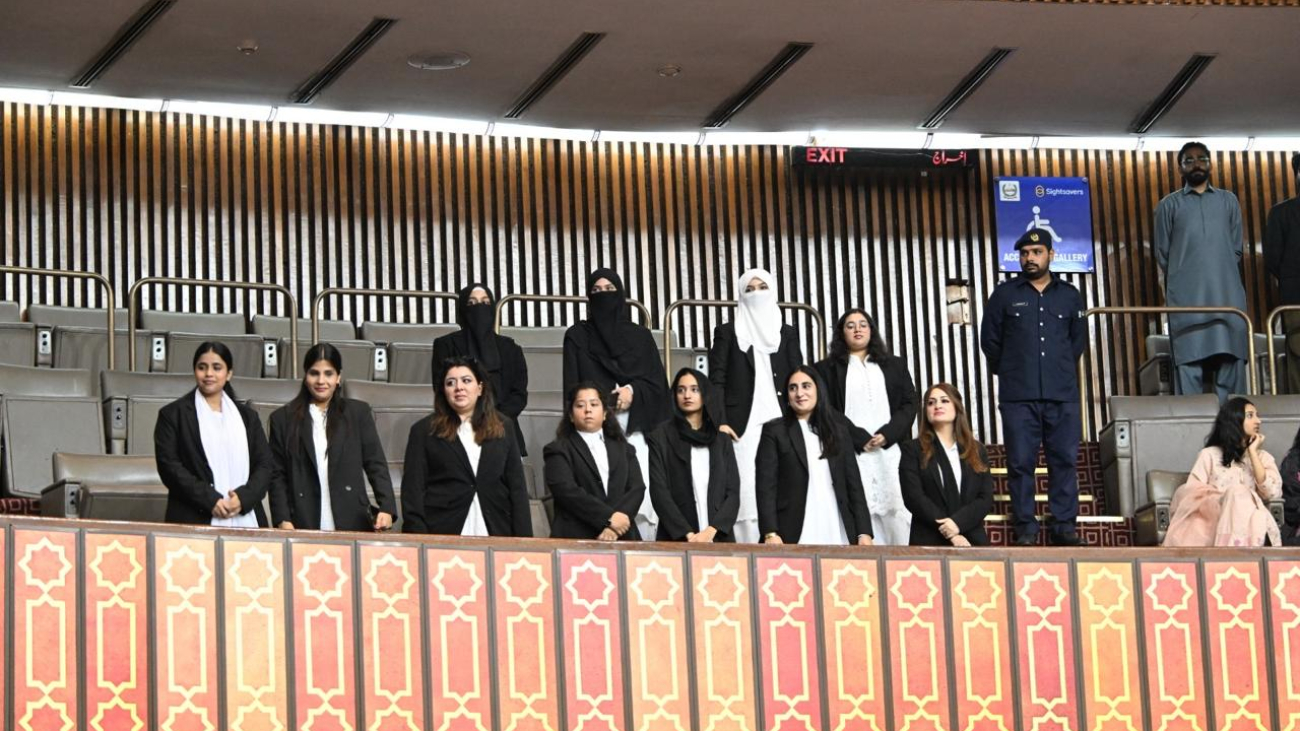
S&S Law Associates recognized and appreciated by the Honourable Speaker of National Assembly at the Parliament of Pakistan
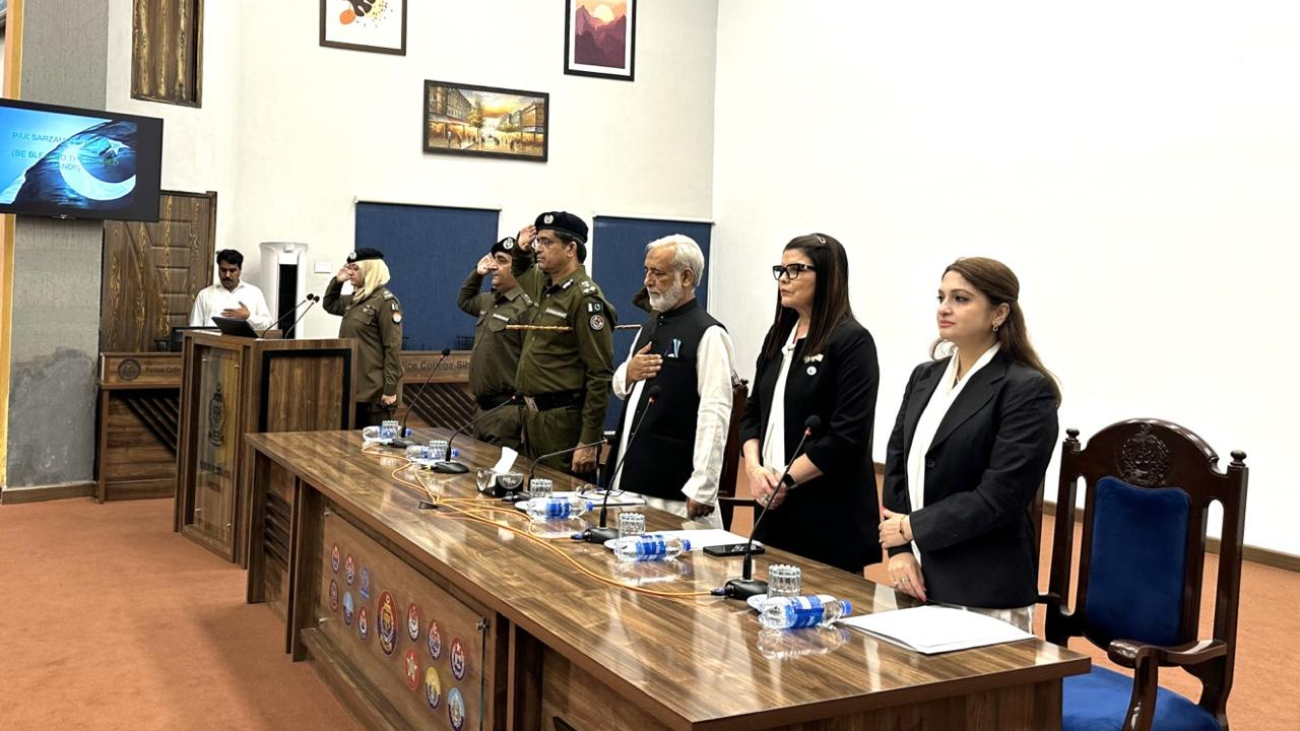
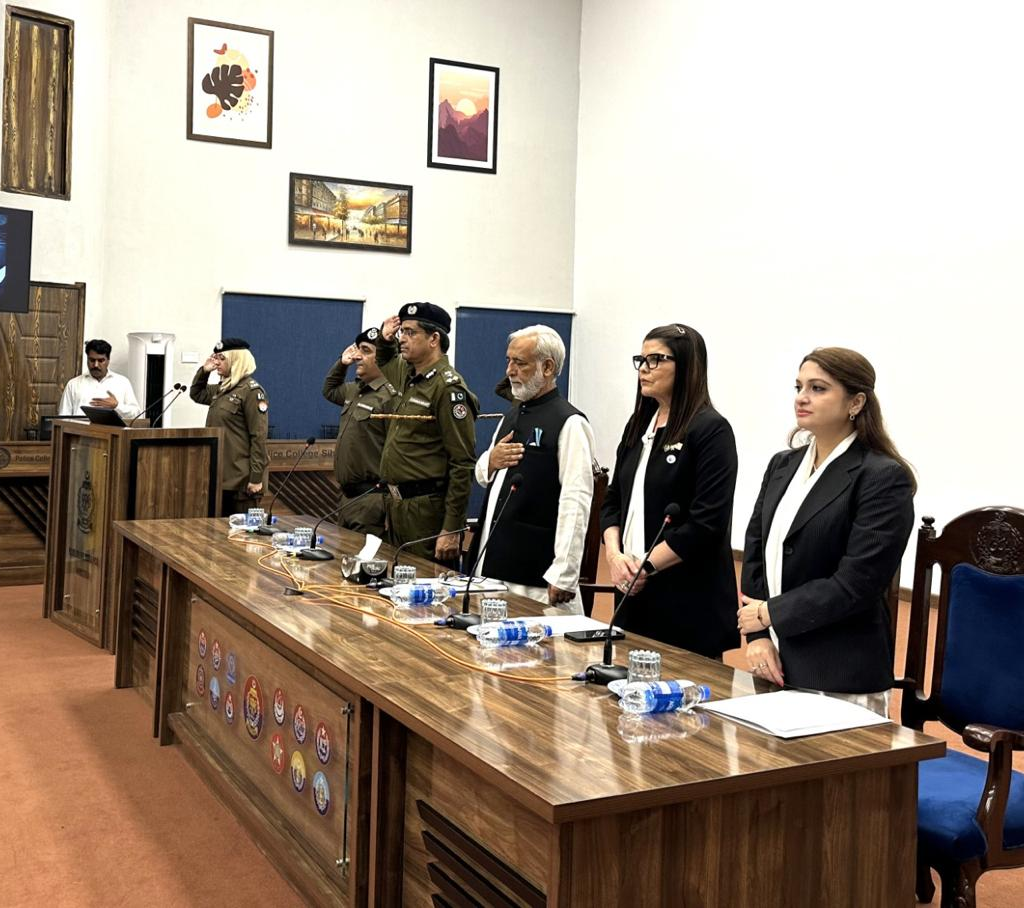
Advocate Sibah Farooq Delivered a talk to Punjab Police at Police College Sihala
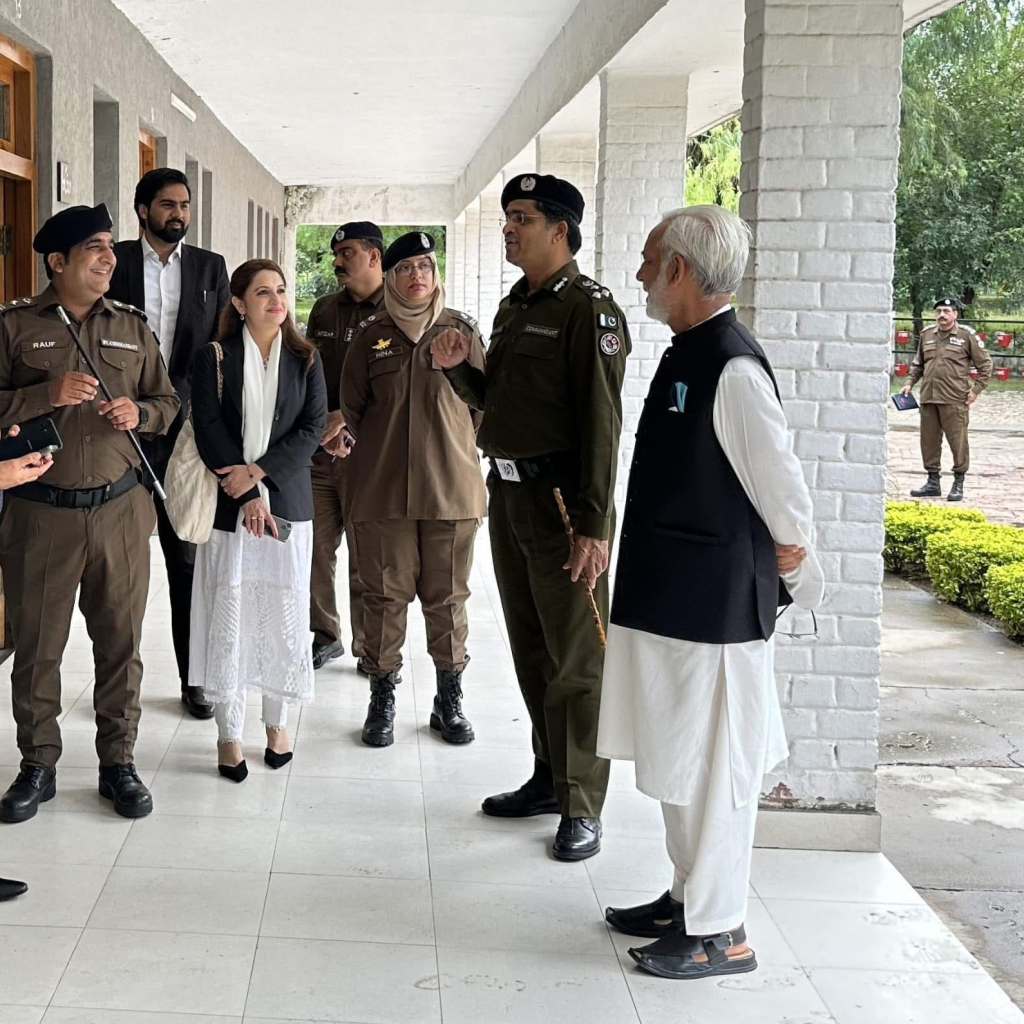
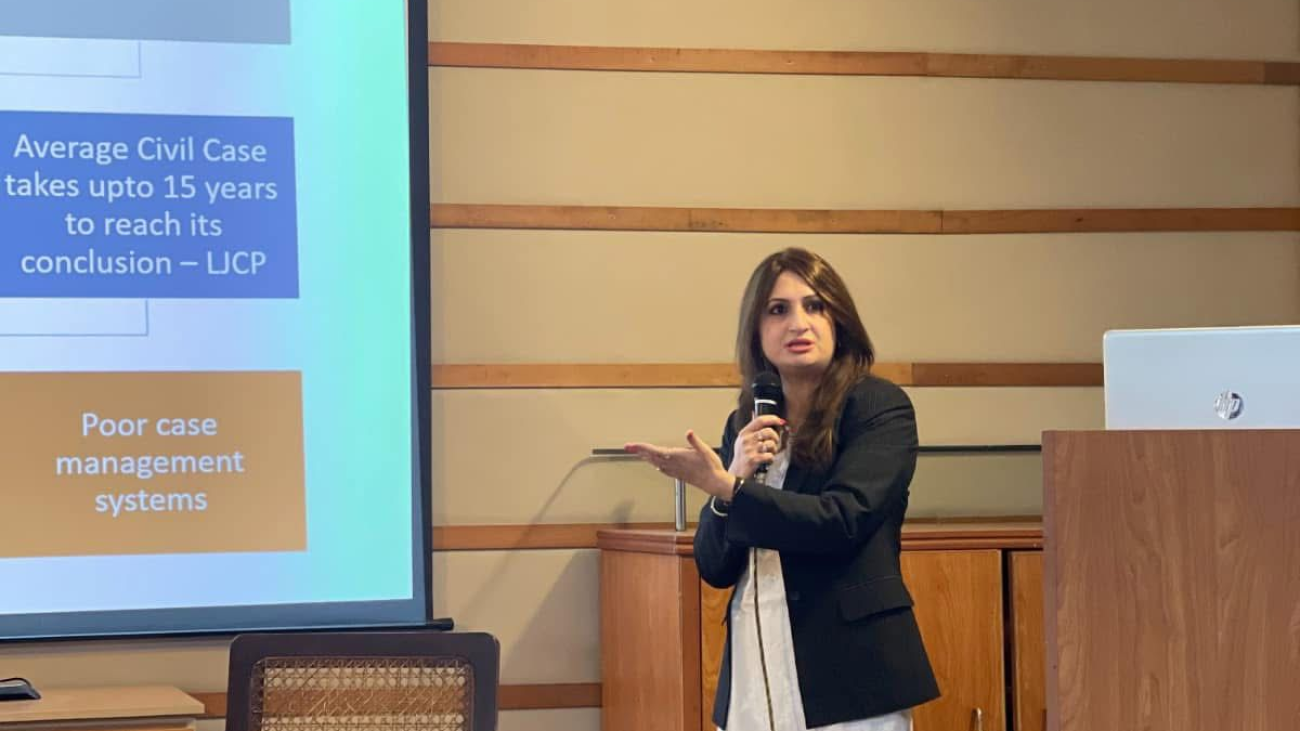
The Courts’ Role in Shaping a New Era of ADR,” at a seminar featuring international ADR expert Dr. Jo DeLaGarza-Chitlik and culminating in a book launch on alternative dispute resolution.
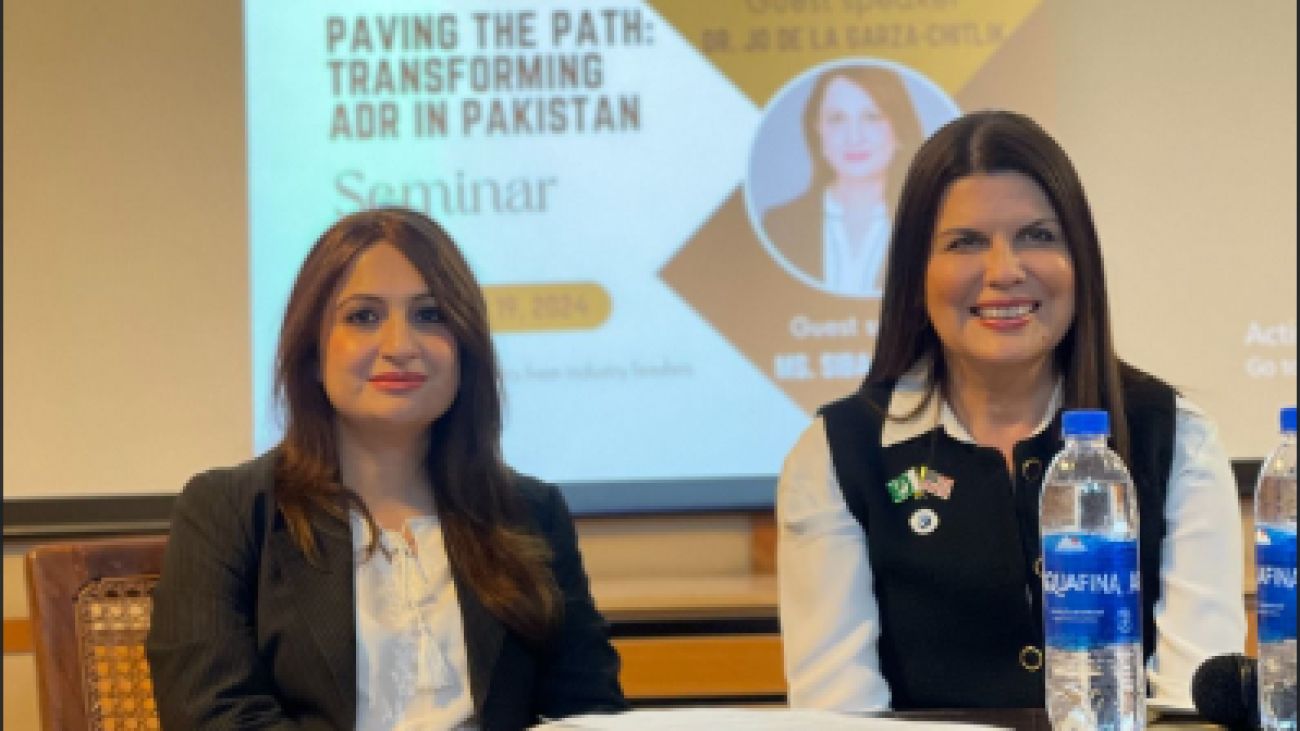
The Courts’ Role in Shaping a New Era of ADR,” at a seminar featuring international ADR expert Dr. Jo DeLaGarza-Chitlik and culminating in a book launch on alternative dispute resolution.
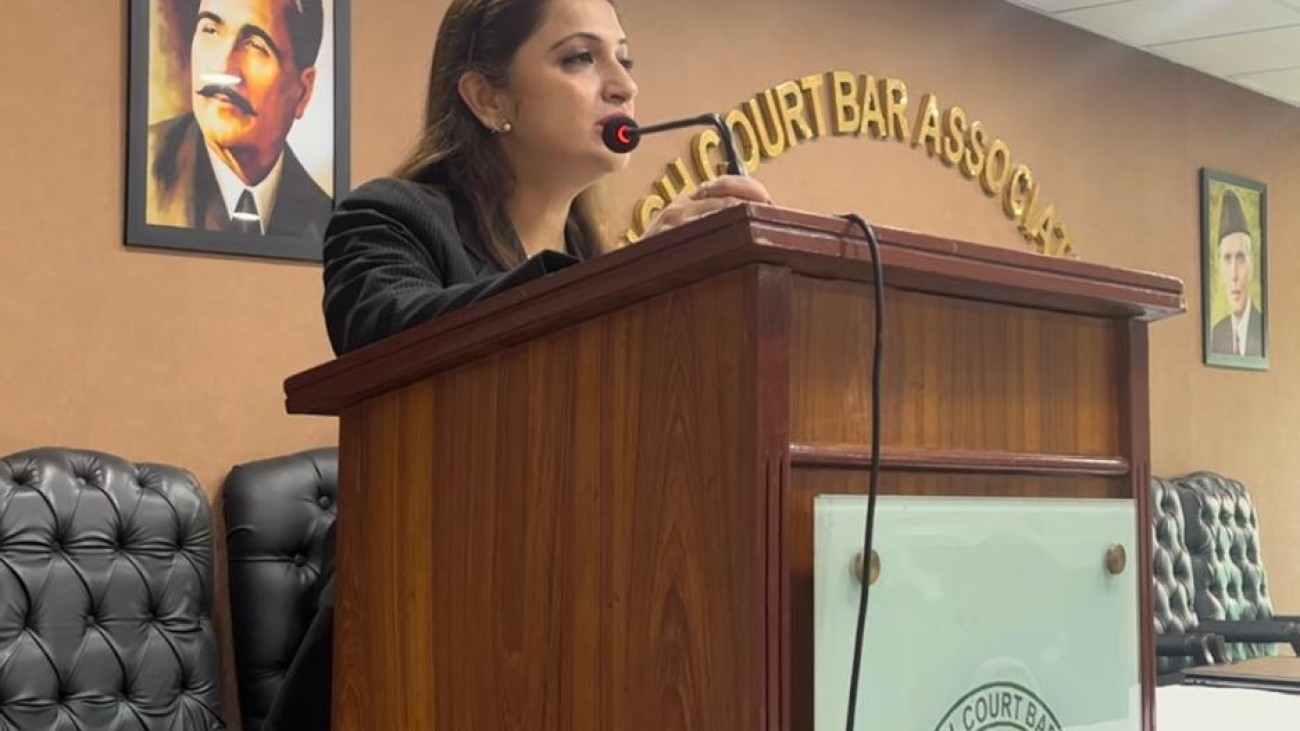
Advocate Sibah Farooq, delivered an address at the Islamabad High Court Bar Association focusing on constitutional provisions, legal frameworks, and landmark judgments concerning the rights and protection of women and children in Pakistan. Honoured with as Shield Presented by the Secretary of the IHBA

Advocate Sibah Farooq Delivered a Keynote Address at the SDG Conference hosted by Sheikh Zayed International Academy & the Embassy of the UAE, and was honoured with a shield of appreciation from Principal Ms. Wafaa Abdul Ghaffar

A right or a privilege under Pakistani law? Open court or in camera? Victims privacy? Rule of Law? Fair trial?
These are reoccurring words in today’s Pakistan but does the layman have an understanding of what they actually mean? Which of these principles is a right under the law; a right every citizen can claim and which of these is a privilege accessible only for those who have influence.
‘Open Court’ principle can be inferred as a constitutional right in Pakistan whereby court proceedings are open and accessible to the public and media. In contrast ‘In Camera’ describes court proceedings where the press and public are not given access and proceedings are conducted within closed doors. Proceedings in an open court are conducted in a normal manner however, whosoever desires to watch has a right to do so in the interest of ‘justice being seen to be done’. This principle of ‘justice seen to be done’, is the spirit of the Oath taken by the Justices of the Supreme Court of Pakistan wherein they promise to strictly abide by the code of conduct of judges in accordance with the directives of the Supreme Judicial Council. This honourable council vide its notification dated 2ndSeptember 2009 clearly stated that:
“The prime duty of a Judge as an individual is to present before the public an image of justice of the nation….” It is further stated in Article V of the “Code of Conduct to be observed by the Judges of the Supreme Court of Pakistan and the High Courts of Pakistan” that: “Functioning as he does in full view of the public, a Judge gets thereby all the publicity that is good for him. He should not seek more. In particular, he should not engage in any public controversy, least of all on a political question, notwithstanding that it involves a question of law.”
The terms “public image of justice” and “full view of public” are inherently establishing a right of an open court hearing and tieing in closely with the fundamental constitutional right of a fair trial (Art 7).Further, reinforcement of open justice can be seen in order 18 Rule 4 of Civil Procedure Code 1908 which provides thus, “The evidence of the witnesses in attendance shall be taken orally in open court in the presence and under the personal direction and superintendence of the judge.”
International laws, extensive precedent and legal literature from countries such as Canada, Australia and the USA, have supported the principle of open court, however, to understand this principle as a matter of right and not just a privilege in the context of Pakistan, it is important to keep in mind a corresponding reading of the Constitution, the Code of Conduct of the Judges and the Civil Procedure Code 1908.Also it is important to comprehend that the fundamental constitutional right of a fair trial cannot be safeguarded unless there can be transparency through an open court proceeding.
Historically the concept of an open court has been discussed and aligned directly with the concept of a fair trial. “Long ago Plato observed in his laws that the citizen should attend and listen attentively to the trials.” The open court principle has long been recognized as a cornerstone of the common law. In its 1913 decision in Scott v. Scott, the House of Lords noted the right of public access to the courts is “one of principle … turning, not on convenience, but on necessity”. In the 1936 decision of Ambard v. Attorney-General for Trinidad and Tobago, Lord Atkin noted “Publicity is the very soul of justice. It is the keenest spur to exertion, and the surest of all guards against improbity.”
Another concept that increases the complexity of the matter is the protection of victims confidentiality and officially secret or sensitive information. Is the right to an open court enforceable where state secrets maybe disclosed or victims confidentiality and fundamental right to privacy, may be compromised, such as in cases of rape or child abuse? According to Article 187(1) of the Constitution, the Supreme Court of Pakistan possesses the authority to issue directions, orders, or decrees necessary for ensuring complete justice. This article can be invoked at the determination of the judges to protect victim confidentiality, state secrets or any other sensitive information which in the interest of justice should not be publicly made available. Cases may occur where it is the primary requirement for the administration of justice to hold in camera trials.
Rights vested through the laws are supported by common sense reasoning and a concept of basis fairness. The logic behind emphasizing the need for open courts and open justice, stems from three main arguments. Firstly, justice should be transparent and thus establish its own accountability and credibility. Secondly, the implication of penalties and the consequence of actions is a deterrent to misconduct. Lastly, in a society like Pakistan where the people’s faith in the organs of the state is shaken and socio-political instability has created doubt and worry in the minds of a common Pakistani, justice seen to be dispensed can have a therapeutic effect on the general state of happiness and public confidence.
In politically sensitive matters such as the case of the ex-Prime Minister Imran Khan’s bail plea in Cypher case, there are several complexities involved while ensuring that an open court hearing is not mishandled by irresponsible media coverage or trouble provoking elements which can ignite hate or political instability by misreporting or misinterpreting a proceeding until it has reached finality in decision. The Supreme Court’s discretion and powers under Article 187 of the Constitution in such cases is a tool that can be utilized to limit or allow the public access, after a fair assessment in the interest of justice and safety of the parties involved and the nation at large.
—The writer is a Legal Expert qualified from Switzerland and an Advocate of the High Courts of Pakistan. She is the Senior Partner of S&S Law Associates. She has served as Senior Advisor Legal to the Federal Ombudsman and Legal Advisor to the UKAID, UN & ICRC.
Email: sibahf@gmail.com
Original Post: Click to View