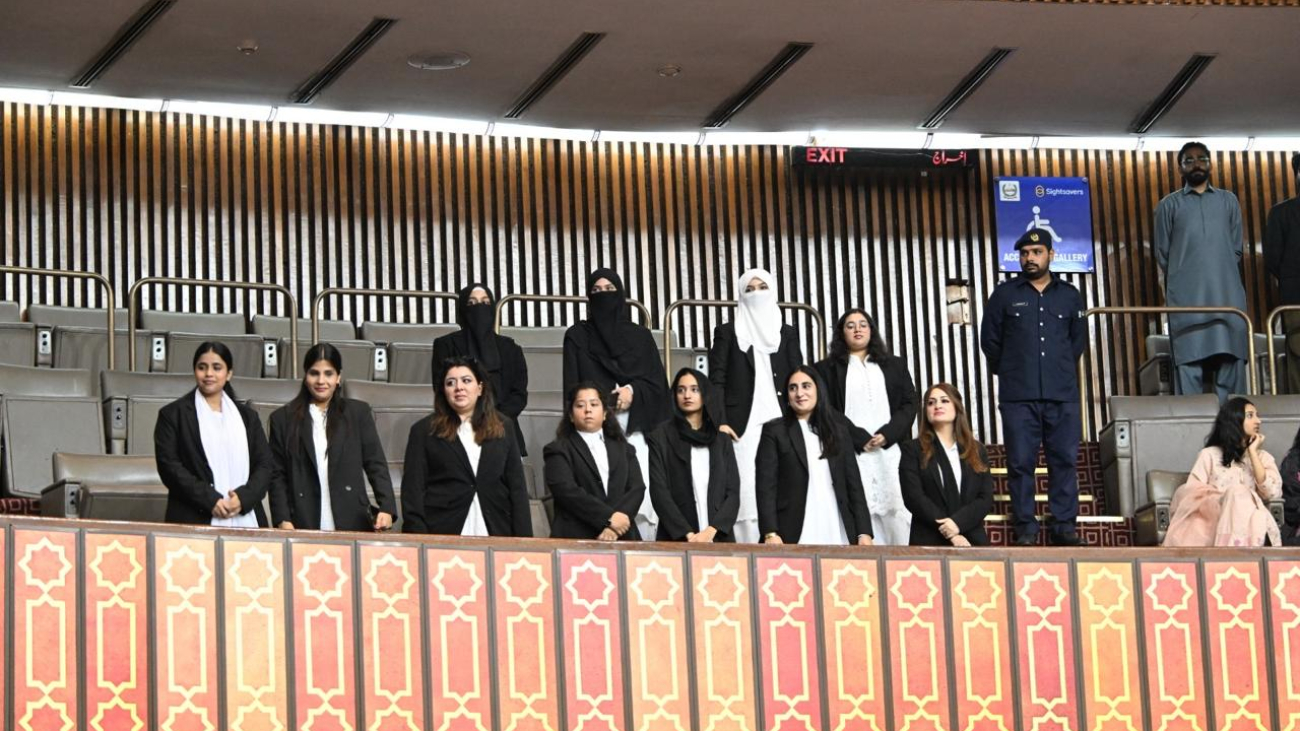
S&S Law Associates recognized and appreciated by the Honourable Speaker of National Assembly at the Parliament of Pakistan

SSL LAW
S&S Law Associates recognized and appreciated by the Honourable Speaker of National Assembly at the Parliament of Pakistan
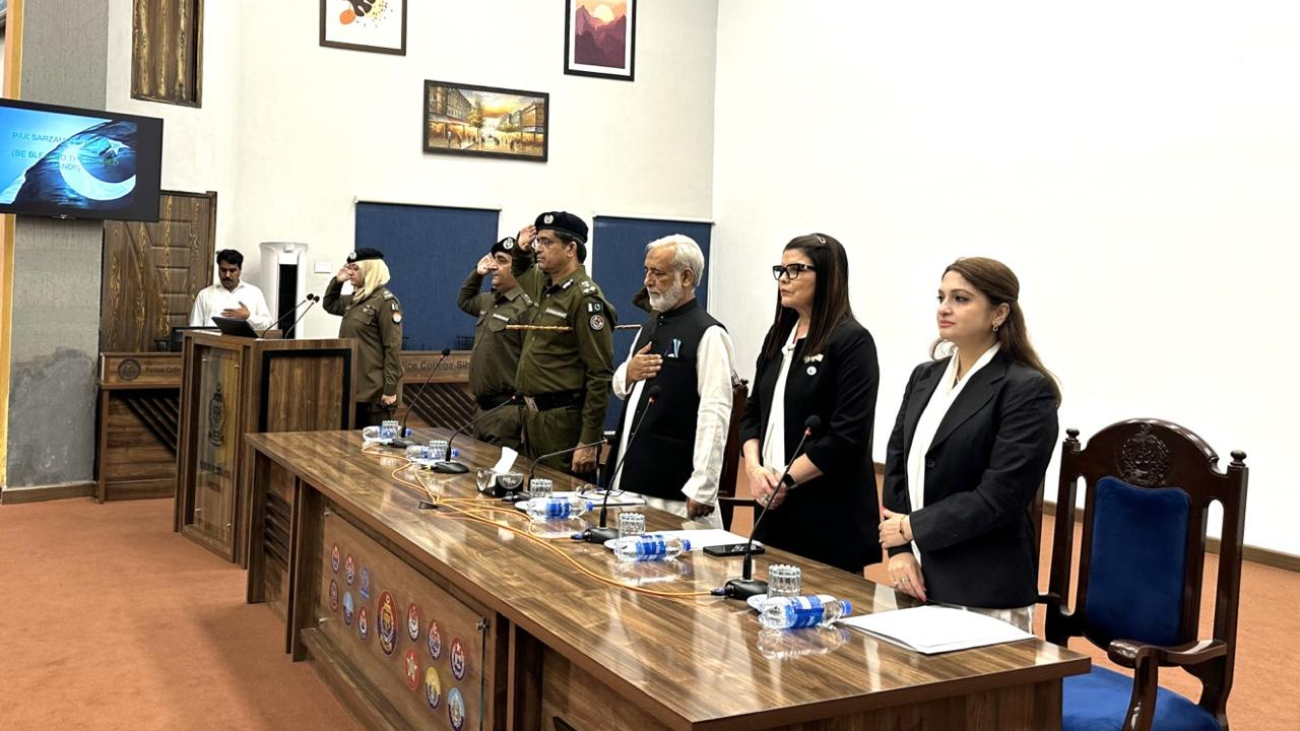
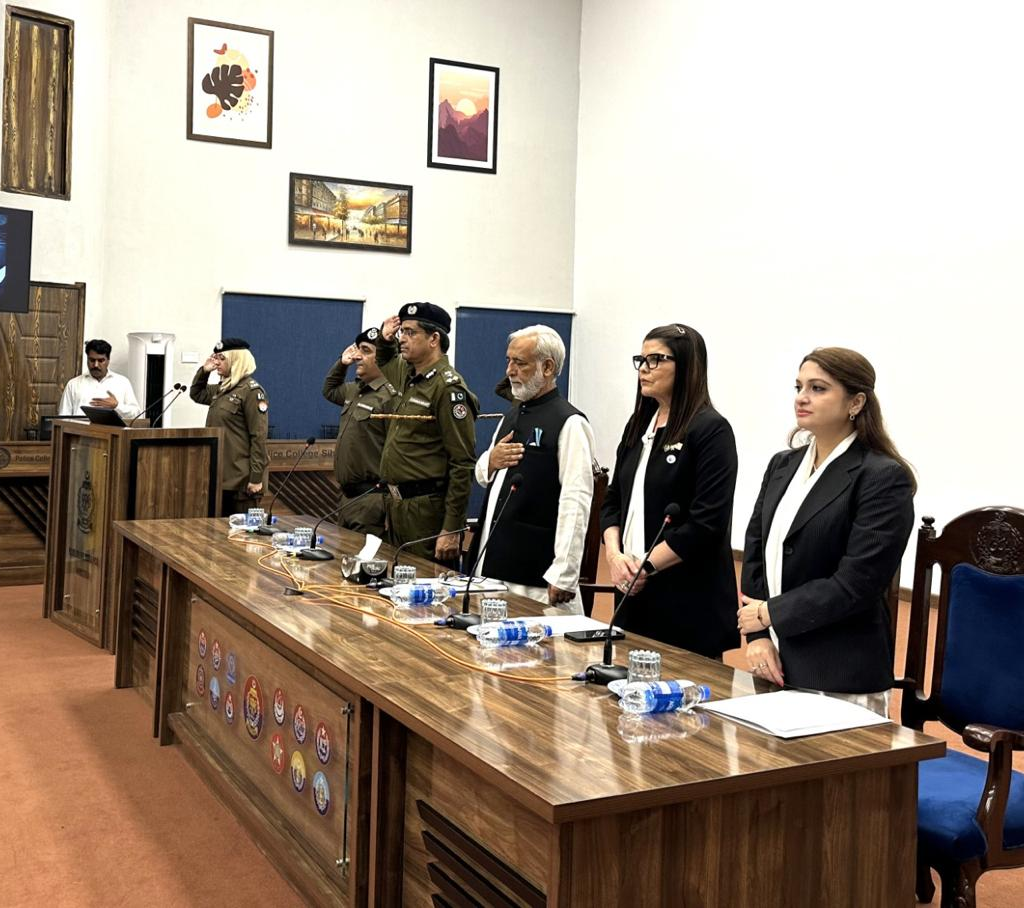
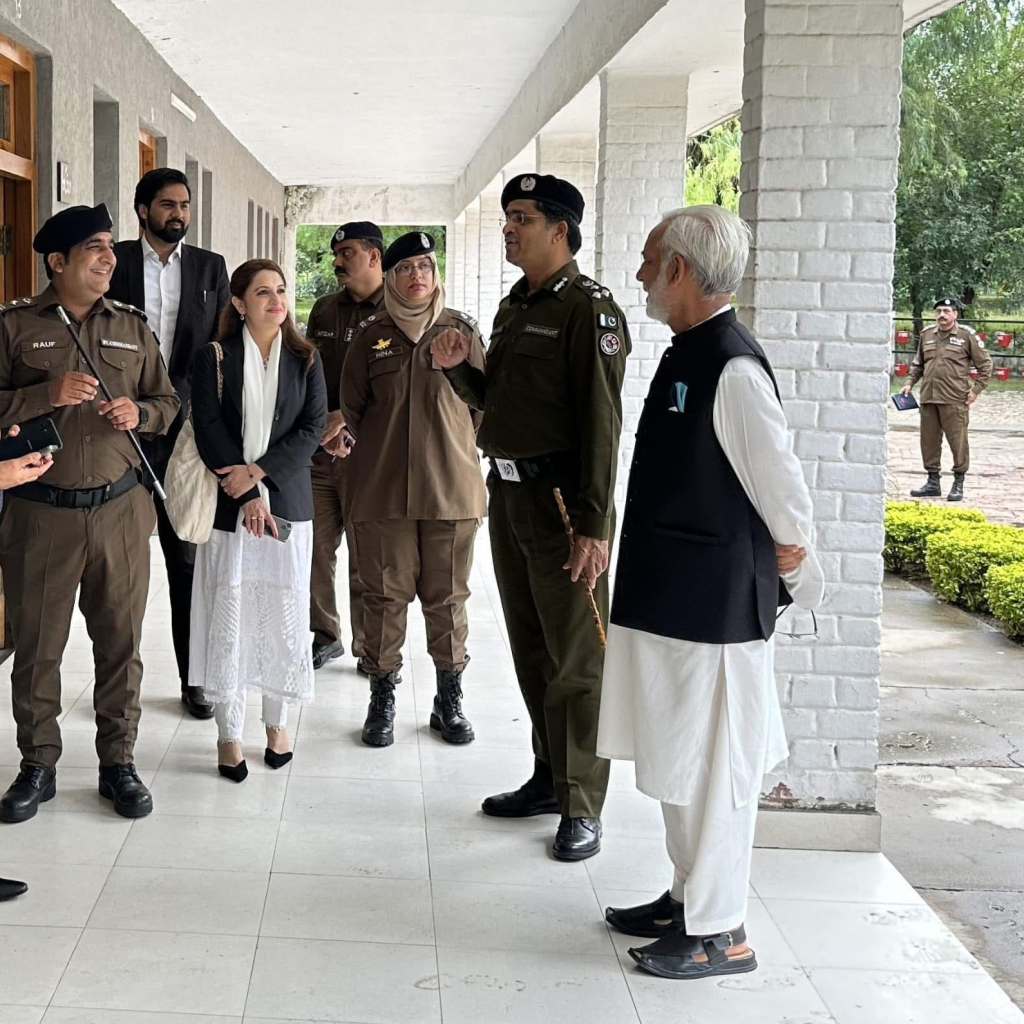
Advocate Sibah Farooq Delivered a talk to Punjab Police at Police College Sihala
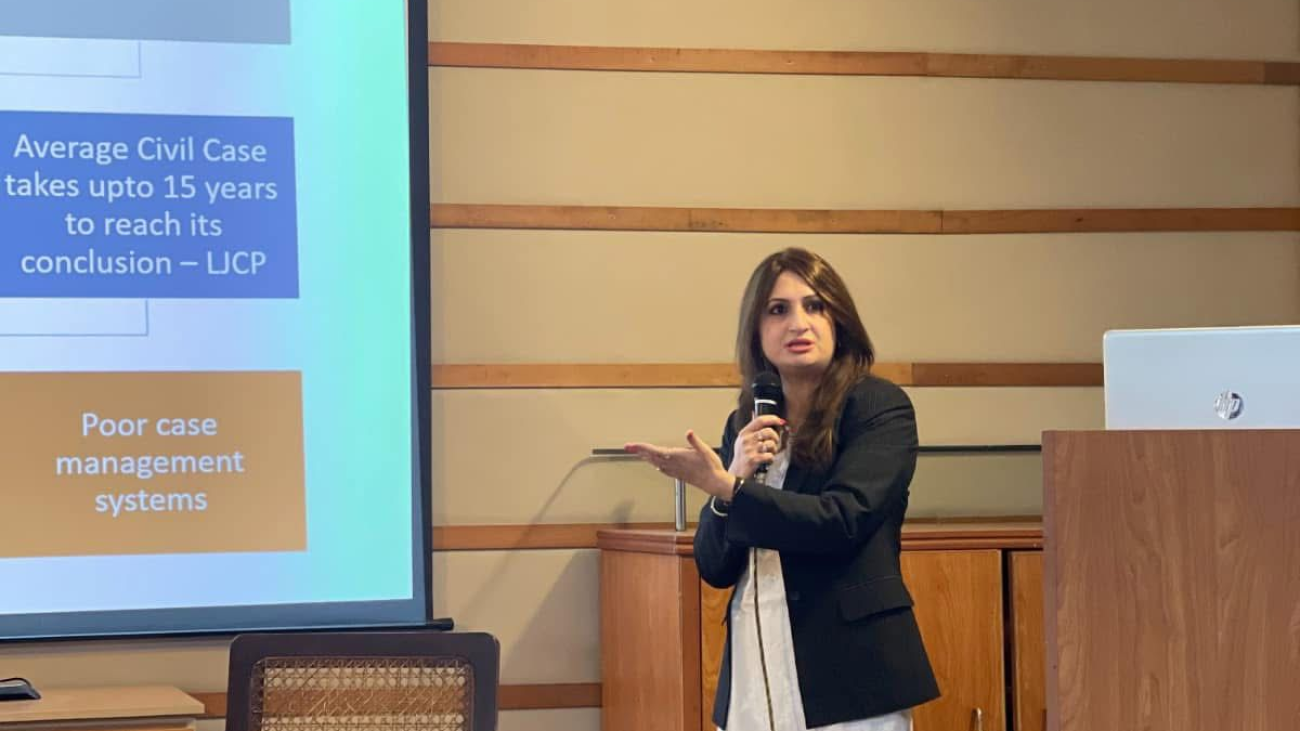
The Courts’ Role in Shaping a New Era of ADR,” at a seminar featuring international ADR expert Dr. Jo DeLaGarza-Chitlik and culminating in a book launch on alternative dispute resolution.
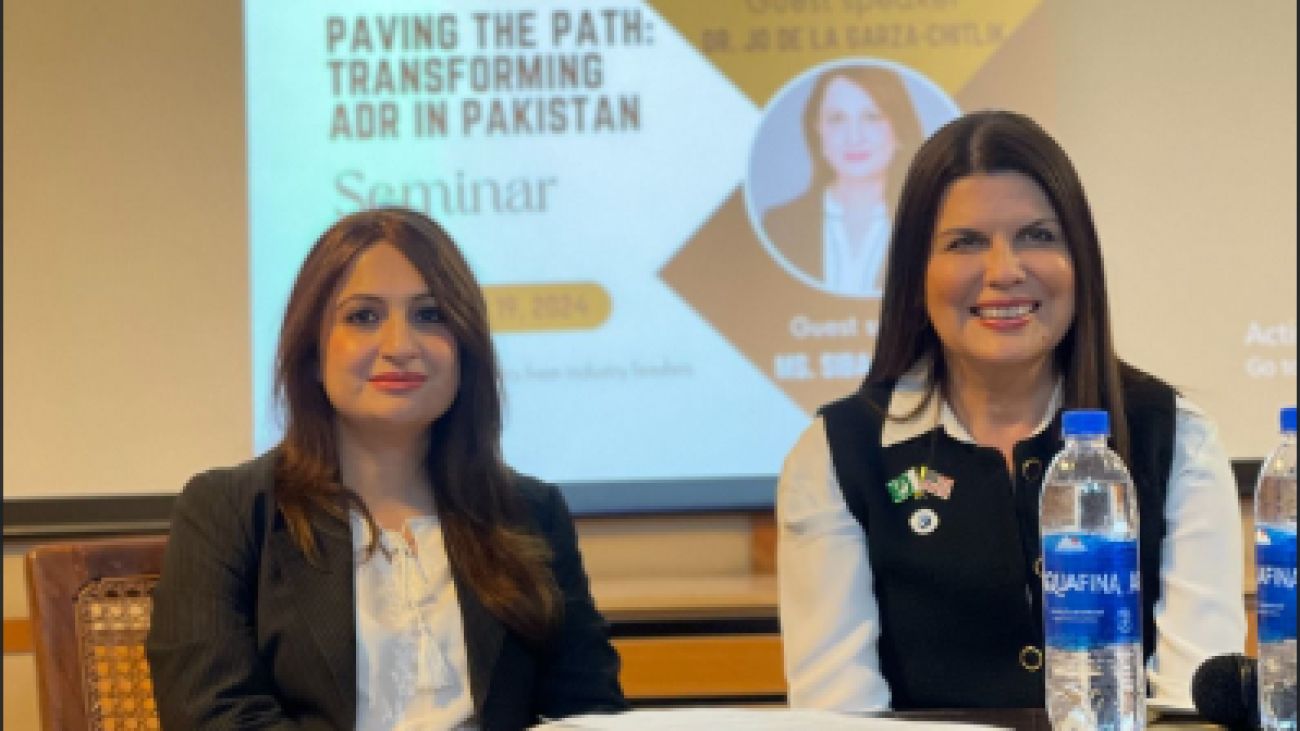
The Courts’ Role in Shaping a New Era of ADR,” at a seminar featuring international ADR expert Dr. Jo DeLaGarza-Chitlik and culminating in a book launch on alternative dispute resolution.
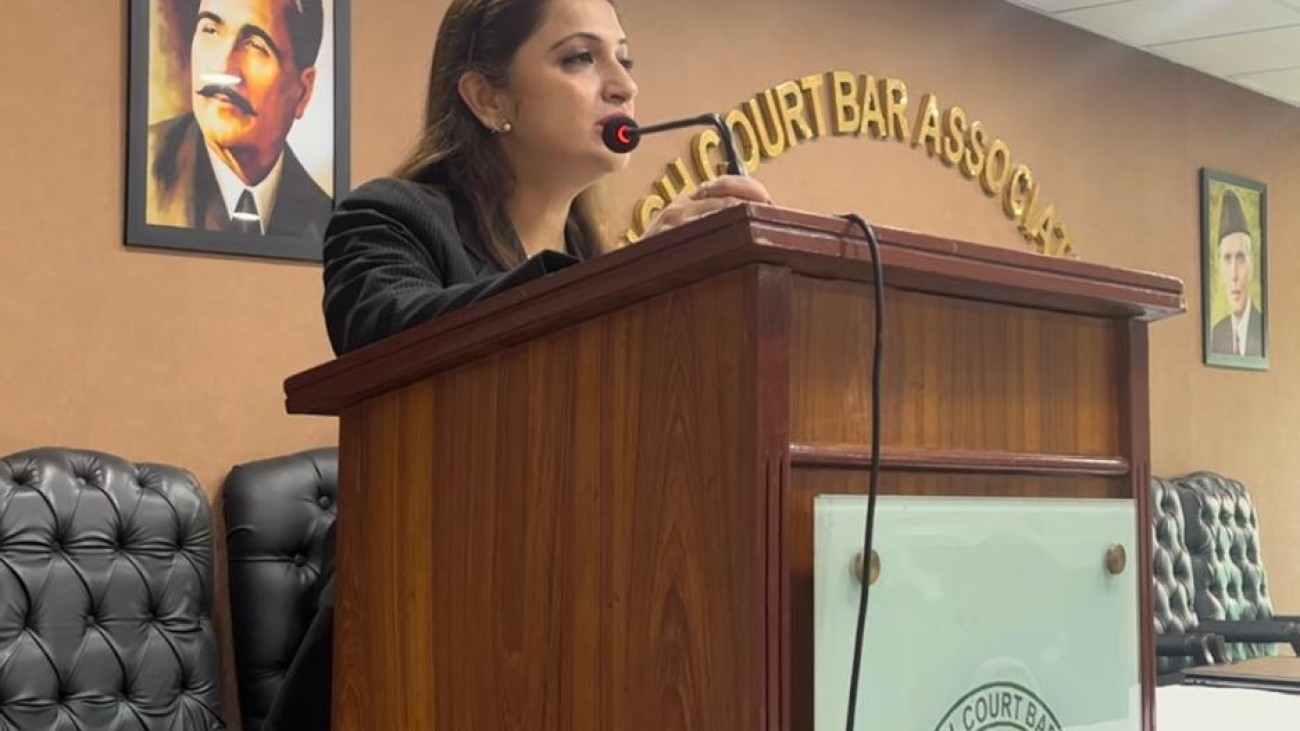
Advocate Sibah Farooq, delivered an address at the Islamabad High Court Bar Association focusing on constitutional provisions, legal frameworks, and landmark judgments concerning the rights and protection of women and children in Pakistan. Honoured with as Shield Presented by the Secretary of the IHBA
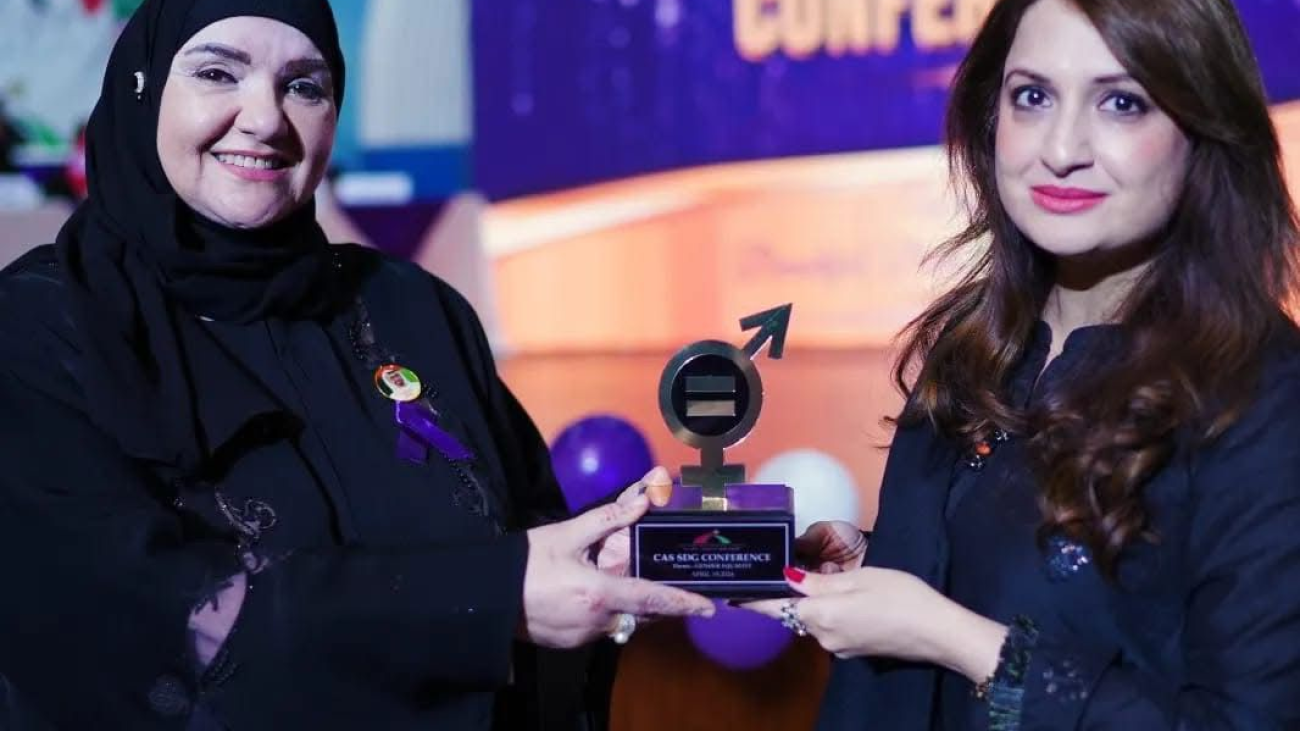
Advocate Sibah Farooq Delivered a Keynote Address at the SDG Conference hosted by Sheikh Zayed International Academy & the Embassy of the UAE, and was honoured with a shield of appreciation from Principal Ms. Wafaa Abdul Ghaffar
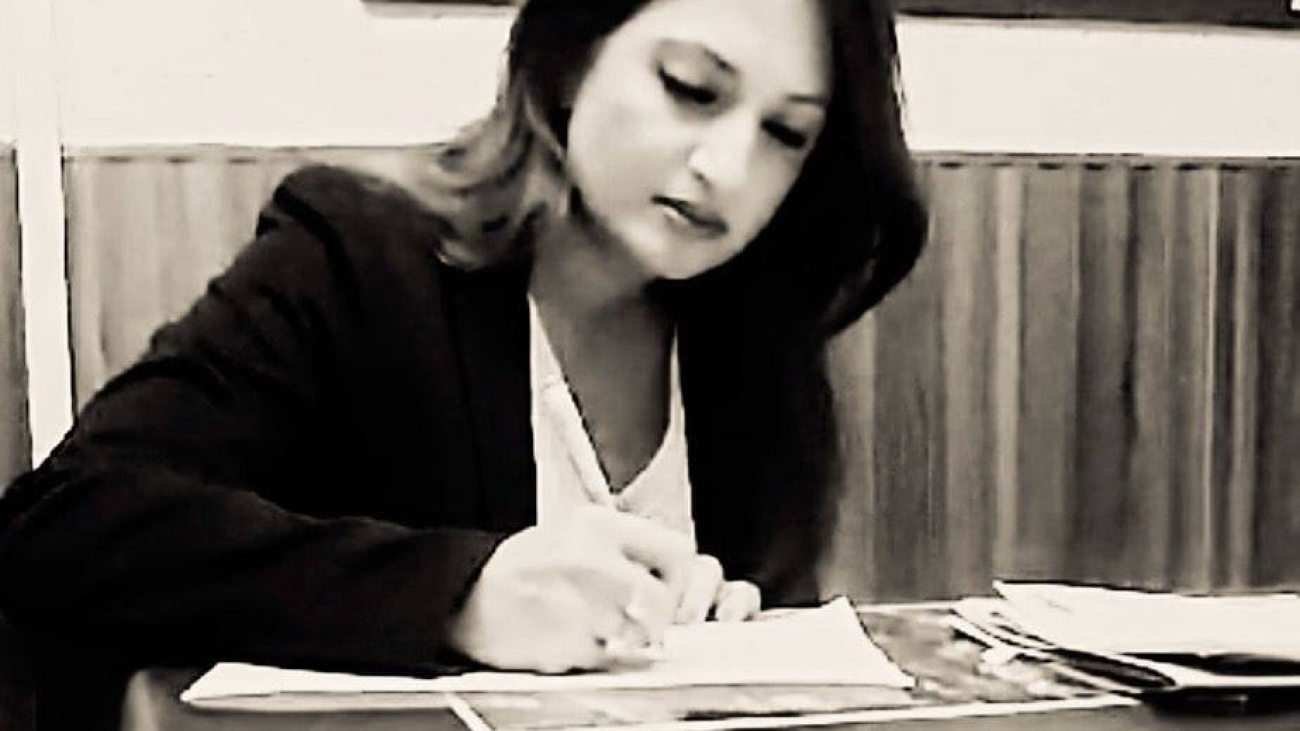
A right or a privilege under Pakistani law? Open court or in camera? Victims privacy? Rule of Law? Fair trial?
These are reoccurring words in today’s Pakistan but does the layman have an understanding of what they actually mean? Which of these principles is a right under the law; a right every citizen can claim and which of these is a privilege accessible only for those who have influence.
‘Open Court’ principle can be inferred as a constitutional right in Pakistan whereby court proceedings are open and accessible to the public and media. In contrast ‘In Camera’ describes court proceedings where the press and public are not given access and proceedings are conducted within closed doors. Proceedings in an open court are conducted in a normal manner however, whosoever desires to watch has a right to do so in the interest of ‘justice being seen to be done’. This principle of ‘justice seen to be done’, is the spirit of the Oath taken by the Justices of the Supreme Court of Pakistan wherein they promise to strictly abide by the code of conduct of judges in accordance with the directives of the Supreme Judicial Council. This honourable council vide its notification dated 2ndSeptember 2009 clearly stated that:
“The prime duty of a Judge as an individual is to present before the public an image of justice of the nation….” It is further stated in Article V of the “Code of Conduct to be observed by the Judges of the Supreme Court of Pakistan and the High Courts of Pakistan” that: “Functioning as he does in full view of the public, a Judge gets thereby all the publicity that is good for him. He should not seek more. In particular, he should not engage in any public controversy, least of all on a political question, notwithstanding that it involves a question of law.”
The terms “public image of justice” and “full view of public” are inherently establishing a right of an open court hearing and tieing in closely with the fundamental constitutional right of a fair trial (Art 7).Further, reinforcement of open justice can be seen in order 18 Rule 4 of Civil Procedure Code 1908 which provides thus, “The evidence of the witnesses in attendance shall be taken orally in open court in the presence and under the personal direction and superintendence of the judge.”
International laws, extensive precedent and legal literature from countries such as Canada, Australia and the USA, have supported the principle of open court, however, to understand this principle as a matter of right and not just a privilege in the context of Pakistan, it is important to keep in mind a corresponding reading of the Constitution, the Code of Conduct of the Judges and the Civil Procedure Code 1908.Also it is important to comprehend that the fundamental constitutional right of a fair trial cannot be safeguarded unless there can be transparency through an open court proceeding.
Historically the concept of an open court has been discussed and aligned directly with the concept of a fair trial. “Long ago Plato observed in his laws that the citizen should attend and listen attentively to the trials.” The open court principle has long been recognized as a cornerstone of the common law. In its 1913 decision in Scott v. Scott, the House of Lords noted the right of public access to the courts is “one of principle … turning, not on convenience, but on necessity”. In the 1936 decision of Ambard v. Attorney-General for Trinidad and Tobago, Lord Atkin noted “Publicity is the very soul of justice. It is the keenest spur to exertion, and the surest of all guards against improbity.”
Another concept that increases the complexity of the matter is the protection of victims confidentiality and officially secret or sensitive information. Is the right to an open court enforceable where state secrets maybe disclosed or victims confidentiality and fundamental right to privacy, may be compromised, such as in cases of rape or child abuse? According to Article 187(1) of the Constitution, the Supreme Court of Pakistan possesses the authority to issue directions, orders, or decrees necessary for ensuring complete justice. This article can be invoked at the determination of the judges to protect victim confidentiality, state secrets or any other sensitive information which in the interest of justice should not be publicly made available. Cases may occur where it is the primary requirement for the administration of justice to hold in camera trials.
Rights vested through the laws are supported by common sense reasoning and a concept of basis fairness. The logic behind emphasizing the need for open courts and open justice, stems from three main arguments. Firstly, justice should be transparent and thus establish its own accountability and credibility. Secondly, the implication of penalties and the consequence of actions is a deterrent to misconduct. Lastly, in a society like Pakistan where the people’s faith in the organs of the state is shaken and socio-political instability has created doubt and worry in the minds of a common Pakistani, justice seen to be dispensed can have a therapeutic effect on the general state of happiness and public confidence.
In politically sensitive matters such as the case of the ex-Prime Minister Imran Khan’s bail plea in Cypher case, there are several complexities involved while ensuring that an open court hearing is not mishandled by irresponsible media coverage or trouble provoking elements which can ignite hate or political instability by misreporting or misinterpreting a proceeding until it has reached finality in decision. The Supreme Court’s discretion and powers under Article 187 of the Constitution in such cases is a tool that can be utilized to limit or allow the public access, after a fair assessment in the interest of justice and safety of the parties involved and the nation at large.
—The writer is a Legal Expert qualified from Switzerland and an Advocate of the High Courts of Pakistan. She is the Senior Partner of S&S Law Associates. She has served as Senior Advisor Legal to the Federal Ombudsman and Legal Advisor to the UKAID, UN & ICRC.
Email: sibahf@gmail.com
Original Post: Click to View
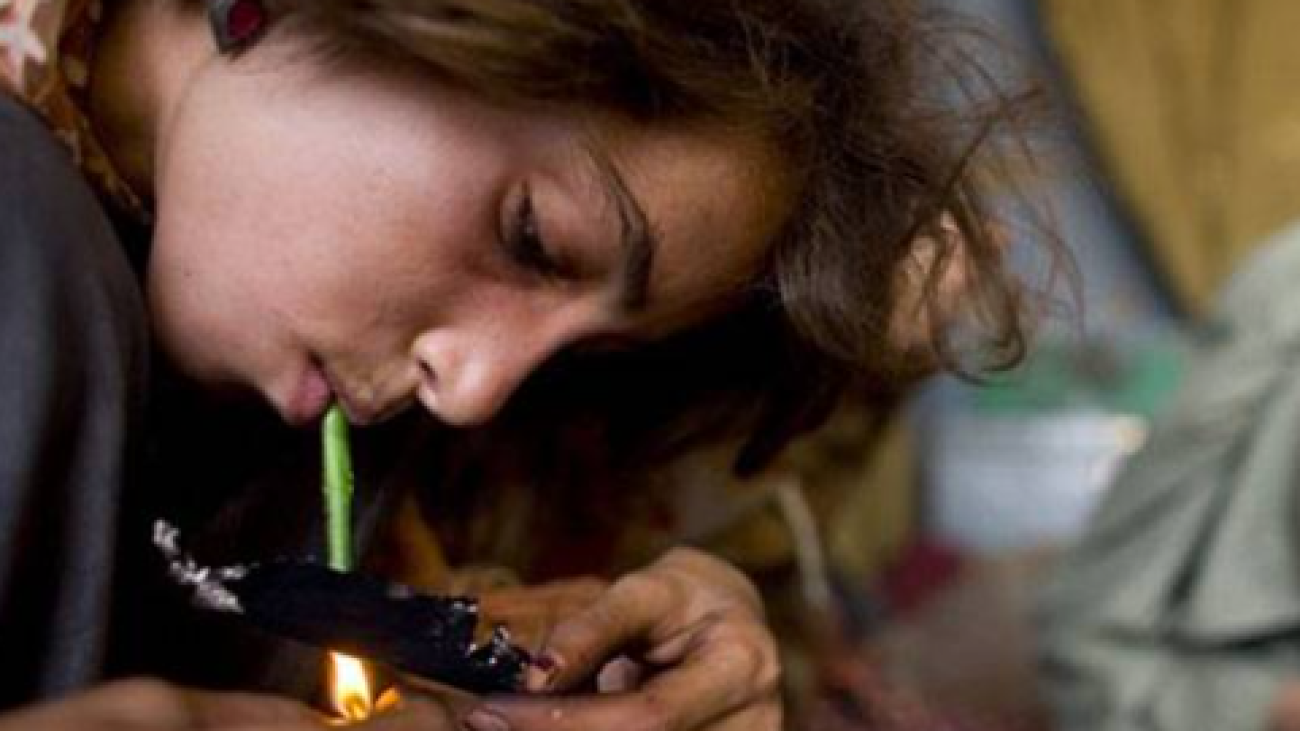
Drug addiction in Pakistan is a very serious and disturbing problem that can no longer be placed at a back bench by the government and policy makers.
LAST month the Karachi Police uncovered a series of unreported deaths of young girls. After investigation, it came to light that the girls were at a party in a farmhouse in the outskirts of the city where they were exposed to drug overuse which caused their deaths and in a mysterious manner they were buried within the walls of the farmhouse. Who was giving these girls an overdose of drugs? Many questions related to the murders are still unanswered and it is hoped that the police is carrying on a serious investigation into the root cause of the crime.
Drug addiction in Pakistan is a very serious and disturbing problem that can no longer be placed at a back bench by the government and policy makers. A look at the statistics, which are a conservative reading, is mind boggling. According to the United Nations report released in October 2022, 7.6 million people in Pakistan were addicted to drugs with the majority being males.
The rising trend of drug use, especially ICE, has been playing havoc with the lives of young children and youth. Usually in the context of Pakistan, most societal issues largely impact only the poor people and the rich strata of society stays well protected within its bubble, however, drug addiction amongst children has seeped into rich private educational institutions and universities in the same way as it has engulfed the poor street children of Pakistan. No child or young adult is protected from this menace. The entire next generation of the country is exposed to a danger the magnitude of which is alarming.
A quick look at facts and figures reveals the scale of the problem across the provinces and the capital. The Zhob route in Balochistan has been identified as one of the principal drug trafficking highways in South Asia. It is a well known fact that Afghanistan produces 90% of the world’s opium, most of which is smuggled through the rugged terrain of Balochistan to many countries across the world. Thus making drugs easily available in Balochistan and leading to an outrageous addiction in its already primitive and economically unstable society. Similarly, in KP, which has a host of socio-economic infrastructure issues and poverty concerns within its society, drug abuse has spread like a wildfire to numb the senses of people most underprivileged.
In the city of lights, Karachi, the drug addiction and overuse has become a commonplace problem in schools and neighbourhoods, however, the homeless children are most exposed to this danger. The US State Department’s 2022 TIP Report reveals that there are around 1.5million homeless children in Pakistan with a third of those in Sindh province and traffickers force such children to take drugs and exploit the drug addiction to keep them in sex trafficking and forced work/services like begging etc.
Lastly, inside the Federal Capital which is often seen as the safest place in Pakistan according to the report of a renowned NGO, 53% of students of leading private schools in Islamabad are addicted to drugs. That’s more than half of the school going population in the capital. Another survey said that one of every 10 university students is addicted to drugs and almost 50% of the students of educational institutions are addicted to drugs.
The above facts and figures present merely a glimpse of the iceberg. The problem is now deep-rooted and eating away at the foundations of the society, ruining the future generations. It is another topic altogether to understand the different branches of this issue, which are no less disturbing. Drug overuse/addiction leads frequently to sex offences, sexual exploitation, cyber crime, disease and the spread of HIV/AIDS; leads to crimes under the use of substance and various other offences. A recent and horrifying example was the incident of drug abuse and sexual offences against numerous young university girls at the Islamia University in Bahawalpur. The root cause was drug abuse and the lack of accountability under the anti-narcotics laws of Pakistan.
What are the anti-narcotics laws and policing mechanism? It is first and foremost important to understand exactly how the law and policy need to function and it’s secondary to question whether those functional requirements are being fulfilled. As parents and responsible citizens of Pakistan, we need that the law should place prohibitions on the production, sale, trafficking, usage and laundered crime proceeds of narcotics across the country. If the law fails to carry out any of these functions, the situation will not change. Policing has to be thorough to combat from the level of production to the supply chain and those involved in it.
Pakistan is a signatory to the relevant international conventions (Single Convention on Narcotic Drugs, 1961) and it promulgated domestic legislation on the subject in 1997. The Anti-Narcotics Force Act 1997 and Control of Narcotics Substances Act 1997 (CNSA) were later amended in 2022. These laws provide a procedural and administrative framework to control the usage of narcotics substances but enforcement is essentially the task of the Anti-Narcotics Force (ANF) and provincially this is handled by the provincial forces. It is worth emphasizing that the amended CNSA 2022 obliges courts to impose maximum punishment in cases where the narcotics are sold in or near educational institutions.
The amendment has broadened the definition of narcotics to include ICE and gives the executive the power to modify the list of prohibited drugs. While the law is sufficient, the problem persists due to inadequate enforcement. Pakistan must engage internationally with donors and agencies to form partnerships for tackling this issue through global cooperation. At the local level, improving coordination between provincial and federal governments is essential to establish a uniform nationwide system, especially for safeguarding children on the streets and in educational institutions. The Anti-Narcotics Force (ANF) plays a crucial role in apprehending offenders under the CNSA, and the judiciary is responsible for expediting trials and imposing strict sentences.
—The writer is a Legal Expert and has served as Senior Advisor Legal to the Federal Ombudsman and Legal Advisor to the UKAID, UN & ICRC.
Email: sibahf@gmail.com
Original Article : Click to View
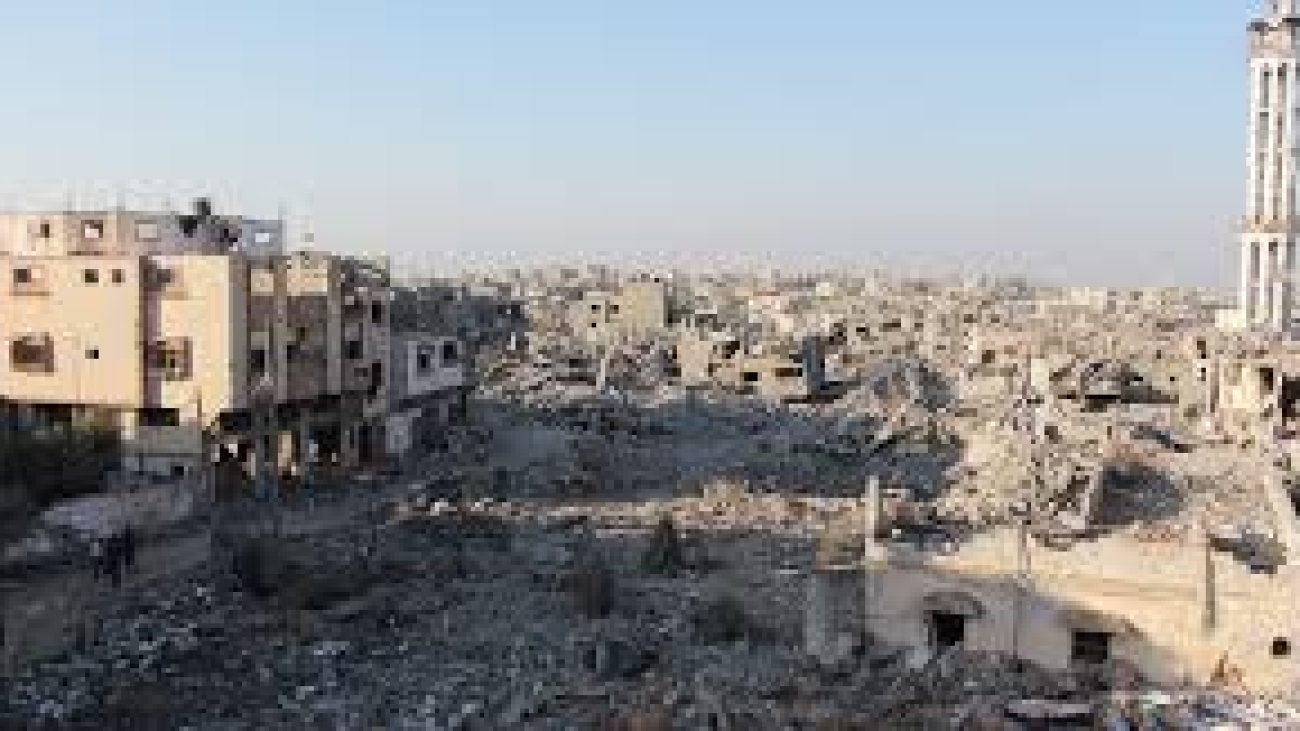
IHL is a essentially a set of rules which seek, for humanitarian reasons, to limit the effects of armed conflict.
AS an expert in International Humanitarian Law (IHL) from the Geneva Academy which is known for years of research and development of this law, I feel obliged to comment on the current crises and the application of IHL principles. There is much discussion yet a lot of confusion regarding the law applicable on occupied Palestine and the obligations of Israel in the current situation. It is essential to understand the legal definition of what is an ‘occupied territory’ and what are ‘war crimes’ under intentional humanitarian law. An understanding of the Geneva Conventions 1949 to which almost 196 States are signatories including Israel, will be sufficient to comprehend who is the victim and who are the oppressors.
IHL has existed since a thousand years and has been codified in many forms, however, a major part of IHL exists in the Geneva Conventions 1949. IHL is a essentially a set of rules which seek, for humanitarian reasons, to limit the effects of armed conflict. It protects persons who are not or are no longer participating in the hostilities and restricts the means and methods of warfare. International humanitarian law is also known as the law of war or the law of armed conflict. IHL binds states and non-state actors all across the world, meaning that it is equally applicable on Israel as it is on Hamas. It is also important to understand that IHL is a non-reciprocal law, it is thus obligatory on each side regardless of whether the other is abiding by it.
What are the laws of war or IHL and when does it apply? The laws of war apply in situations of armed conflict and occupation. In the case of Israel and Palestine, it is not in reality a conflict but is in actuality an occupation and thus rules of IHL are applicable and enforceable. International humanitarian law governs the conduct of hostilities and is distinct from the law that governs the decision to use force. Whatever the legality of a decision to use force, all parties must comply with IHL. It is essential to understand what actually is an occupation under IHL and what are the rules of IHL that an occupier must respect?
Article 42 of the 1907 Hague Regulations (HR) states that a ” territory is considered occupied when it is actually placed under the authority of the hostile army. The occupation extends only to the territory where such authority has been established and can be exercised. “The legality of any particular occupation is regulated by the UN Charter and the law known as jus ad bellum. Once a situation exists which factually amounts to an occupation the law of occupation applies – whether or not the occupation is considered lawful.
Therefore, for the applicability of the law of occupation, it makes no difference whether an occupation has received Security Council approval, what its aim is, or indeed whether it is called an “invasion”, “liberation”, “administration” or “occupation”. As the law of occupation is primarily motivated by humanitarian considerations, it is solely the facts on the ground that determine its application.
The duties of the occupying power are spelled out primarily in the 1907 Hague Regulations (arts 42-56) and the Fourth Geneva Convention (GC IV, art. 27-34 and 47-78), as well as in certain provisions of Additional Protocol I and customary international humanitarian law. These include prohibition on collective punishment and the requirement to ensure there is public law and order and protection of civilian lives. None of which are being respected by the occupier Israel in the context of its occupation of Gaza.
Israel has been occupying the West Bank, including East Jerusalem, and Gaza, which collectively constitute the Occupied Palestinian Territory (OPT), since 1967. Ever since, Israel has maintained effective control over Gaza, including its territorial waters and airspace, the movement of people and goods, except at Gaza’s border with Egypt, and the infrastructure upon which Gaza relies, it has rendered the Strip an open-air prison. Under IHL, Israel is the occupier and has the obligation of ensuring that the basic needs of the population of Gaza, such as food and water, are met. As occupier the duties, obligations under international law are not being met by Israel in fact there is blatant disrespect of the rights of the occupied territory.
War crimes under IHL and the basic principles of IHL, broadly include the strict prohibition of deliberately attacking civilians, taking hostages and collective punishment. Deliberate killing of civilians, women and children, the bombardment of hospitals, schools and civilian objects, blocking humanitarian relief, subjecting to collective punishment and using chemical weapons are all the most heinous kinds of war crimes strictly prohibited under IHL. Human Rights Watch and other rights organizations have also found that Israeli authorities are committing the crimes against humanity of apartheid and persecution against millions of Palestinians. The systematic oppression of the population of Gaza forms part of these ongoing crimes.
International humanitarian law is meant to strike a balance between military necessity and humanitarian considerations. It does not allow military endeavours that aim to make permanent changes to occupied territory; to force people to leave their homes; or to unlawfully attack civilian targets and restrict resources from communities. Humanitarian law is and will remain a tool for the protection of the life and dignity of civilians and combatants alike.
The recent events are a nightmare under IHL and a ruthless violation of what the Geneva and Hague Conventions stand for. With each passing day we keep witnessing the killing of thousands of civilians and especially women and children in Gaza; we see the worst kind of breach of IHL and the existence of the entire regime of this law is placed in doubt. Was it this easy to strike down this long standing law of armed conflict? Israel’s blatant disregard for its obligations under international law has placed in doubt the entire machinery of international laws and international organizations which have taken pains and years to promulgate, promote and uphold these laws. Was the international legal system this weak? Does it really take nothing for a State to blatantly refute its international obligations and the custodians of these international laws just sit and watch while rules and laws are breached, trampled and violated with complete disregard? Gaza has lifted the veil over the façade of international law and its so-called protections! International lawmakers need to rethink and re-strategize to formulate international humanitarian laws that can stand the test of ruthless human conflict and occupation.
—The Author is a Legal Expert qualified from Switzerland. Advocate of the High Courts of Pakistan and Senior Partner of S&S Law Associates. Sibah has served as Senior Advisor Legal to the Federal Ombudsman and Legal Advisor to the UKAID, UN & ICRC.
Email: sibahf@gmail.com
Original Article: Click to View

Climate change indicates most predominantly and alarmingly a significant increase in the average world temperature which will lead to serious impacts on the environment.
IN August 2022, a monstrous flood and torrential rains inundated an area the size of Great Britain and affected over 33 million people, a staggering number close to the population of Canada. This climate disaster is only one of the many that has hit Pakistan, an underdeveloped country with minimum resources to address the aftermath of such a crises. One would think that Pakistan is paying the price of its contribution to creation of carbon emissions, however, fact of the matter is that Pakistan produces less than 1% of the world’s carbon footprint yet is suffering the biggest consequences of climate change. I will never forget the climate-related carnage I saw after apocalyptic flooding submerged a third of Pakistan. Guterres 27 Sept 2023.
With this context in mind, which entails in reality stories of displacement, disaster, death, suffering of a magnitude beyond what can be comprehended or imagined, Pakistan seeks climate justice from the world! The answer to climate justice is found in measures that firstly, strengthen the legal regime and empower climate ligation. Secondly, climate finance is the answer to climate action. Countries that are not contributors of the excessive carbon emissions and are suffering beyond proportion to their guilt, should be compensated through climate finance, capacity building and technology development. Lastly, climate justice needs to be recognized through a legal regime that transcends states and empowers states and citizens alike to seek justice through an effective and exclusive international forum.
Climate change indicates most predominantly and alarmingly a significant increase in the average world temperature which will lead to serious impacts on the environment. Climate justice is interdependent upon the protection of human rights and it intersects with many branches of international law; however there still remains a need of a coherent binding legal regime which can provide protections and a mechanisms whereby safeguards and pre-emptive measures can be put in place to reduce the impact of man-made climate change and counteract legal avenues can be available for challenging and addressing non-compliance of acceptable standards.
At present there is an array of hard law and soft law addressing the various themes of climate management and environmental protections. The first attempts at identifying climate change and environmental issues at a global level were through the UNGA resolution 1721 passed in 1961 and more than a decade later in 1979 the First World Climate Conference was held in Geneva and it is so interesting to note that the problem faced by the world today was understood decades back with complete clarity and foresight in this world conference of nations where it was declared that: “climate variability and change” is an urgent challenge and nations were called upon to “foresee and to prevent potential man-made changes in climate that might be adverse to the well-being of humanity.”
The global stock of climate treaties continues to grow internationally and at present there are more than 1500 climate laws and policies globally, further, all signatories or ratifiers to the Paris Agreement explicitly address climate change or transitions to low-carbon economies in national laws or policies. The last decade has also seen a wave of new cases linking climate with human rights litigation and courts are increasingly playing a very important role in strengthening the legal regime around climate change. Two of the most significant climate change cases in recent years—the Urgenda case in Holland and the Leghari case in Pakistan—came from countries with widely differing legal systems. But the principle they established is universal, that effective action on climate change is a human right and thus a core responsibility of governments everywhere.
Although on paper the protections and laws look elaborate and empowering yet in reality the international legal regime is deficient in achieving the SDGs and has not been able to reduce or curtail climate deterioration thus resulting in catastrophes world over. The reasons behind the ineffectiveness of the legal framework are summarized below: There is a need for stronger linkages between international laws and domestic implementing legislation. The UK Climate Change Act is a good example and has been able to address both mitigation and adaption in the context of climate change.
Globally judges are still not fully aware of the existential threat that the climate crisis poses to humanity. In the Leghari case a pro-active approach was adopted and in the most recent judgement of Justice Jawad Hassan, of the Lahore High Court, direction was given to the Lahore Development Authority and the Environmental Protection Agency in Pakistan, to make a policy for mandatory tree plantation by housing societies and their residents. There needs to be a globally better understanding of the fact that climate change is at the root of more than one SDG and is linked entirely with every single goal. There is a dire need for an overarching legal framework to address climate change at an international level which is capacitated by a judicial forum that can provide specialized and unhindered advice on climate matters.
At a very broad level the SDGs center upon the five SDG pillars of people, prosperity, planet, peace and partnership. It does not take a legal mind to note that each of these five pillars stand on the notion of a climate safe world without which the SDG agenda cannot be achieved. An all encompassing international legal framework, judicial decisions with the valor and strength that is needed and partnerships like COP28 and SIFOCC to organize and prioritize climate finance – are the essential factors for a move towards success in the SDGs. According to the UN Climate Press Release circulated at the end of COP28, $700 million has been pledged towards the Loss and Damage Fund, $12.8bn has been pledged towards the Green Climate Fund, $188m has been pledged towards the Adaptation Fund, and $174m has been pledged towards the least developed countries and Special Climate Change Fund collectively. This is indeed a triumph for Pakistan
The SIFOCC although is the international forum for commercial courts, however, its very objectives and themes tie in closely to climate justice. Particularly, in the SIFOCCs meeting in Dubai 2023, that resolving and managing commercial disputes by judges will in turn compliment the process of climate justice. In this regard Pakistan has made notable efforts in advancing the role of mediation. In the latest reported judgement of Justice Jawad Hassan of the Lahore High Court, titled Netherlands Financiering vs Morgah Valley Limited and SECP, the court resolved a long-standing commercial dispute by way of initiating mediation between the parties.
What is the Future Direction for International Law: We need new perspectives to create climate justice. Justice will only be fair if it considers diverse perspectives and rights, only when every judgement and every legislative tool is able to stitch together the concept of climate justice as a foundation upon which fundamental rights can be secured and built. A catastrophic and ill planet cannot guarantee the life and dignity of its people, prosperity, peace, financial and economic partnerships and a breathing living world for all species. If climate disasters are not curtailed, the SDG goals and all international agendas for a better tomorrow will crumble like a castle of sand. Imaginative, ambitious and new recommendations are the need of the hour; the deficiencies of the existing legal framework around climate change need to be addressed with measures of a greater magnitude than have thus far been achieved. Following recommendations are presented as closing remarks:
An overarching international legal framework specific to Climate Justice with model laws for domestic implementation needs to be created. As Justice Antonio Herman Benjamin of the National High Court of Brazil stated, “If judges are in charge of deciding all sorts of conflicts about life, death, love, human rights and national security, it makes no sense to leave climate change outside the courtroom.” Thus it is time to include the judiciary in a scale larger than has been till now in driving climate justice as there is no other substitute. The developing countries need to take extensive measures to achieve this through capacity building, training, domestic legislation and partnerships.
On the same note as above, judicial intervention cannot only be to the extent of national courts and forums such as the COP and SIFOCC, climate justice needs to be strengthened through an international court. There is a need for an international court at par to the ICJ and ICC but specifically for the redressal of climatic issues. This will have a two fold effect, one of speedy exclusive justice and development of climate laws and secondly, for global recognition of climate justice as a matter of equal importance as the protection of human rights and fundamental freedoms. A new International Court on Climate with a majority vote decision resting with the UNGA only. As Albert Einstein once said, “We cannot solve our problems with the same thinking we used when we created them.”
—The author is an International Lawyer qualified from Switzerland; an Advocate of the High Courts of Pakistan and Founding Partner of S&S Law Associates.
Email: sibahf@gmail.com
Original Article: Click to View